A MODULAR ROBOTICS PLATFORM FOR AGRICULTURE

One platform.
Built for every task
the farm needs.

Pipal builds one mobility, compute and power base — then swaps the tool on top. Disease control, crop scouting, utility carry: different jobs, same machine underneath. No new fleet for every problem.

Built once
Mobility, compute, power and autonomy — shared across every task.
Swapped in field
Task modules mount to a common bay without re-engineering the robot.
Task one, live
UV-C disease control, in field pilots across Canada and the northern US.
01 · THE IDEA

Most farm robots solve one problem,
then sit in a shed. This one doesn't.

Agriculture is seasonal and task-dense. A machine built for a single job is idle most of the year. Pipal separates the hard, expensive part — moving safely and autonomously through a field — from the part that changes with the task.

PRINCIPLE 01

Build the base once.

Self-levelling mobility, edge compute, LiDAR and vision, swappable power. The subsystems that take years to get right are engineered a single time and reused.

PRINCIPLE 02

Swap the task, not the robot.

Every tool mounts to the same mechanical and data interface. Adding a capability means designing a module — not starting a new machine from scratch.

PRINCIPLE 03

One fleet, more seasons.

The same units that treat disease at night can scout canopy by day or carry payload at harvest. Utilisation rises without the fleet growing.

02 · ARCHITECTURE

How the platform is put together.

A common module bay sits above a fixed base. Anything that changes with the task lives above the line. Everything that makes the robot work lives below it.

Task module bay · interchangeable
Light Crop Treatment
● In field pilots
Crop Scouting
In development
Instrumented Transport
In development
Common mechanical + data interface
Base platform · built once, reused
Mobility
4-leg self-levelling chassis. Slopes to 30°, narrow rows, raised beds.
Compute
Nvidia Jetson edge stack. ROS2 navigation, on-board inference.
Perception
LiDAR, RGB vision, RTK positioning. Row-following and obstacle avoidance.
Power
Field-swappable LiFePO4 packs sized for full unmanned shifts.

Base platform derived from the patent-backed Curio mobility architecture.
Module sequencing follows pilot data and grower demand — UV-C is the live, near-term task.

03 · TASK MODULES

Three modules. One chassis underneath.

UV-C disease control is running in the field today. The other two are in development on the same base — no new mobility, compute or power work required.
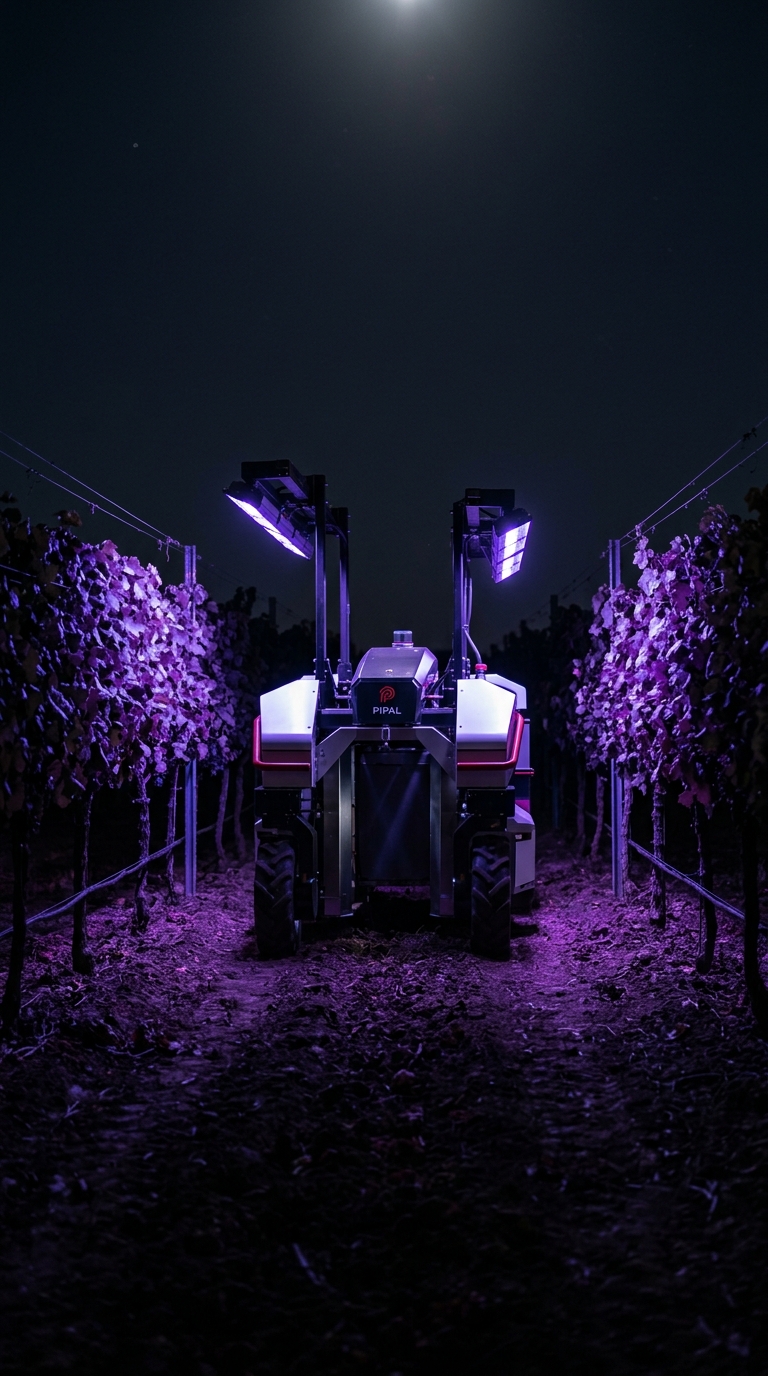
Pipal robot treating a vineyard row with UV-C at dusk
● In field pilots

Light Crop Treatment Module — UV-C

A 254 nm UV-C emitter array that treats powdery mildew and Botrytis with light instead of chemistry. It runs at night, when fungal spores can't use sunlight to repair UV damage, and doses each row based on canopy density rather than blanket-treating the block.
Wavelength254 nm · peak germicidal
ConfigurationsVineyard canopy / berry bed
Throughput500 m/h
Operating windowNight, fully unmanned
Chemical inputNone · no re-entry interval
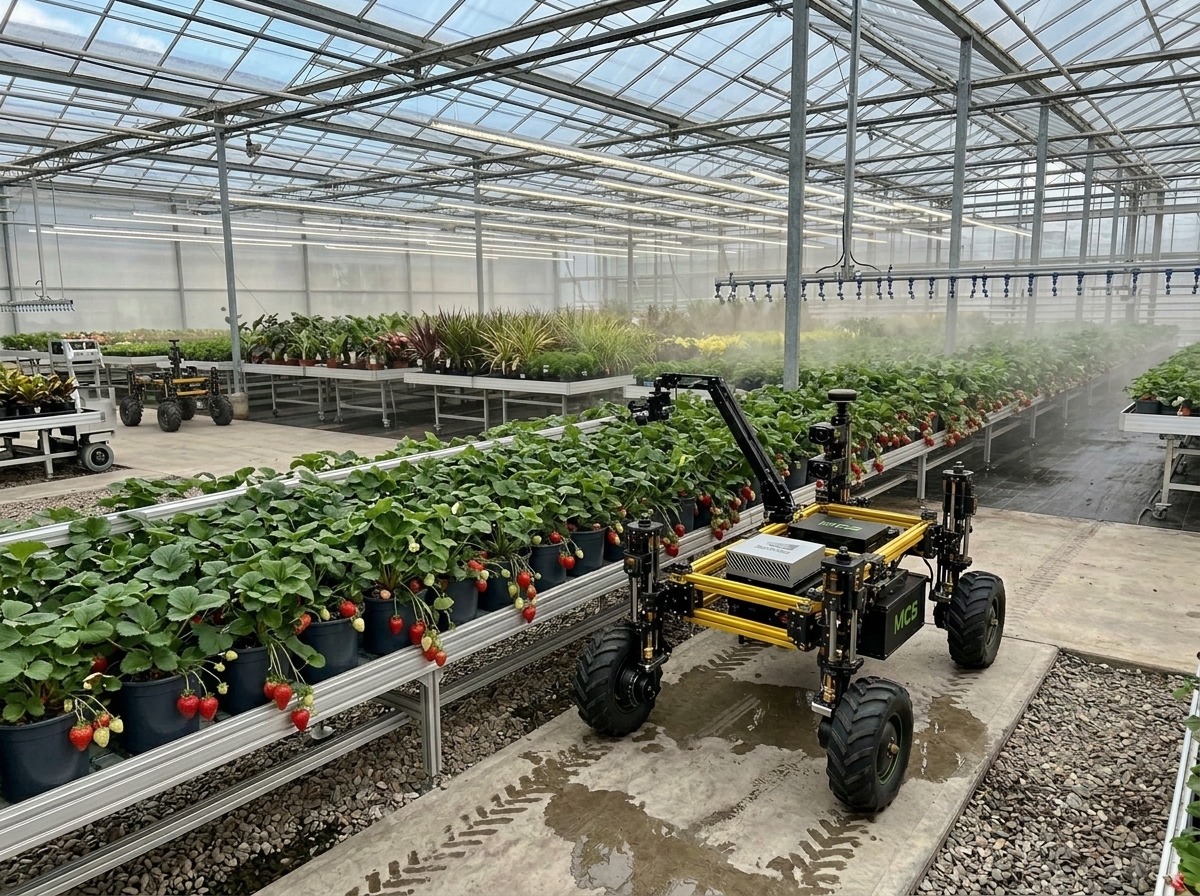
Pipal robot scanning potted plants in a greenhouse
In development

Crop Scouting Module

RGB and disease-pressure imaging, georeferenced along rows or greenhouse aisles. Reuses the same perception and navigation stack the treatment module runs on — the difference is what the payload records rather than what it emits.
CaptureRGB + disease-pressure imaging
ReferencingRTK-georeferenced per row
EnvironmentsField rows, greenhouse aisles
Shared with basePerception, nav, power
StatusPlatform roadmap
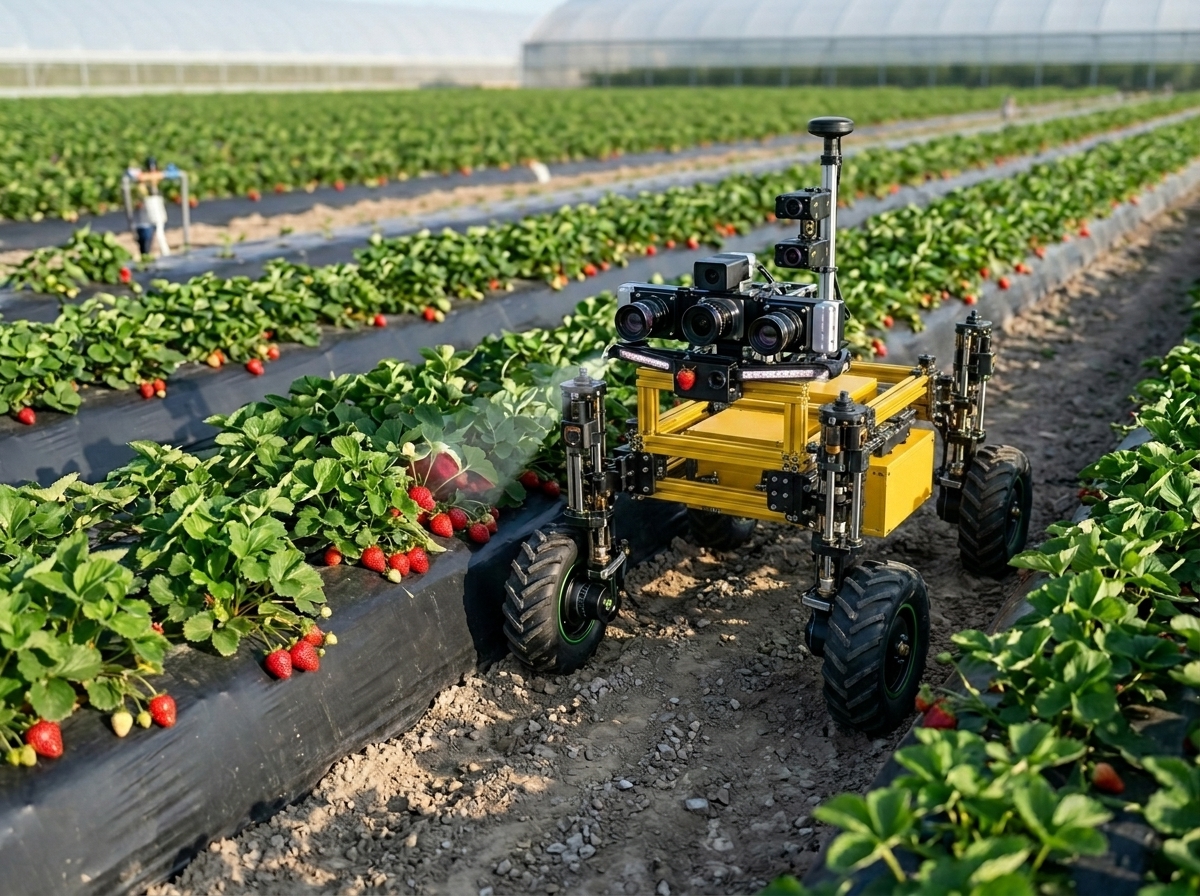
Pipal robot working a strawberry row
In development

Instrumented Transport Tray

The platform's first tested payload: a load-sensing tray for utility carry and payload validation. Useful in its own right during harvest, and the simplest proof that the module interface holds weight and reports state correctly.
FunctionUtility carry + payload validation
InstrumentationLoad sensing, state reporting
Use caseHarvest support, row logistics
Shared with baseMobility, power, scheduling
StatusPlatform roadmap
04 · BASE PLATFORM

The part that doesn't change.

Every module inherits the same mobility, perception, compute and power stack — engineered once against real-soil field conditions, not a lab floor.

SubsystemSpecWhy it matters across modules
Chassis4-leg self-levellingKeeps the module bay level on slope so payload behaviour is predictable regardless of task.
Slope ratingUp to 30°Covers hillside vineyard blocks that are difficult and unsafe to service conventionally.
Row geometryNarrow row + raised bedOne chassis fits vineyard rows and berry beds — no separate machine per crop.
ComputeNvidia Jetson · ROS2On-board inference and navigation, so modules work without field connectivity.
PerceptionLiDAR + RGB + RTKShared row-following, obstacle avoidance and georeferencing for every payload.
PowerField-swappable LiFePO4Full unmanned shifts; packs swap rather than charge, keeping the fleet moving.
Operating layerAI dispatch + reportingOne scheduling and reporting surface across tasks — growers learn it once.
FoundationCurio architecturePatent-backed modular mobility, avoiding years of platform R&D per module.
05 · TASK ONE IN DETAIL

Light damages mildew DNA.
The dark hours stop it from healing.

A short pulse of 254 nm UV-C disrupts the DNA of powdery mildew and Botrytis spores on the leaf surface. Treating after dark removes the sunlight-driven repair window those spores rely on — which is why timing matters as much as the light itself.

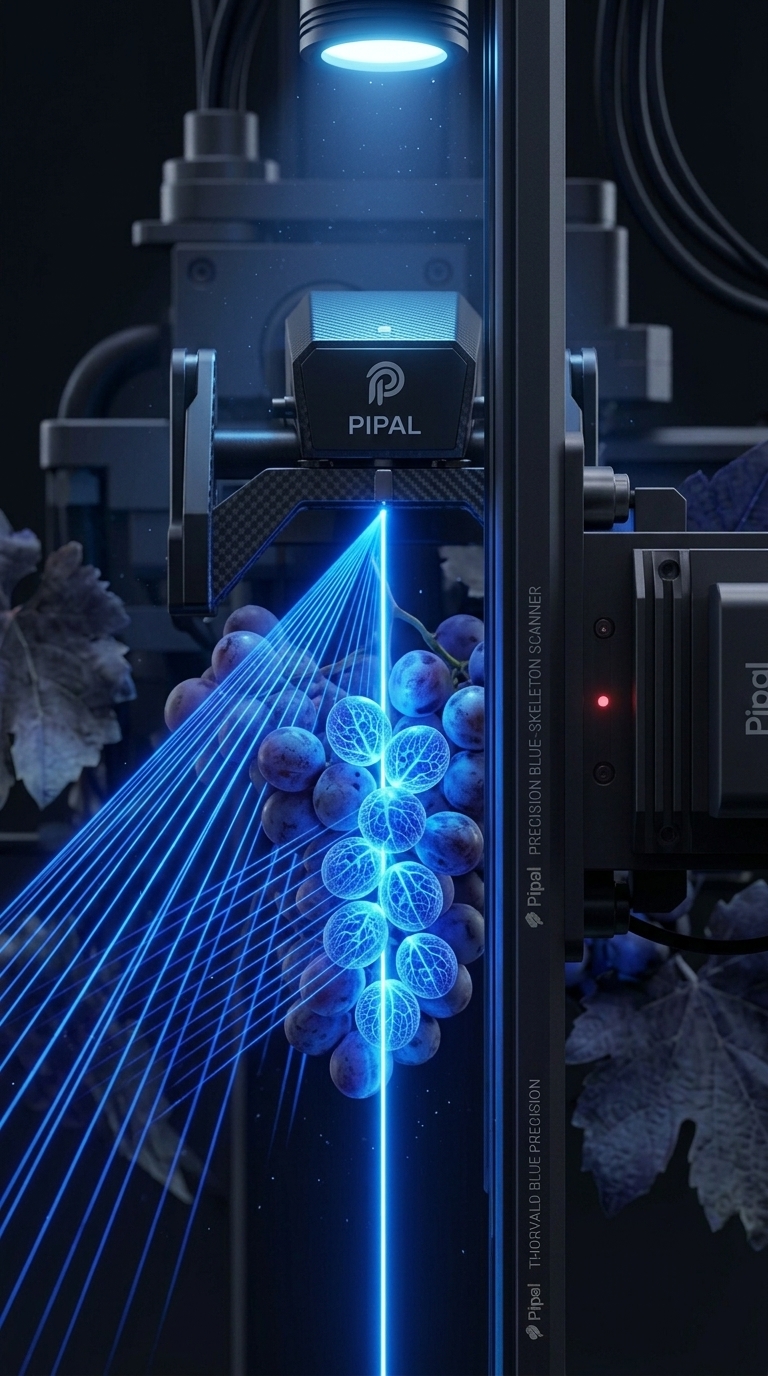
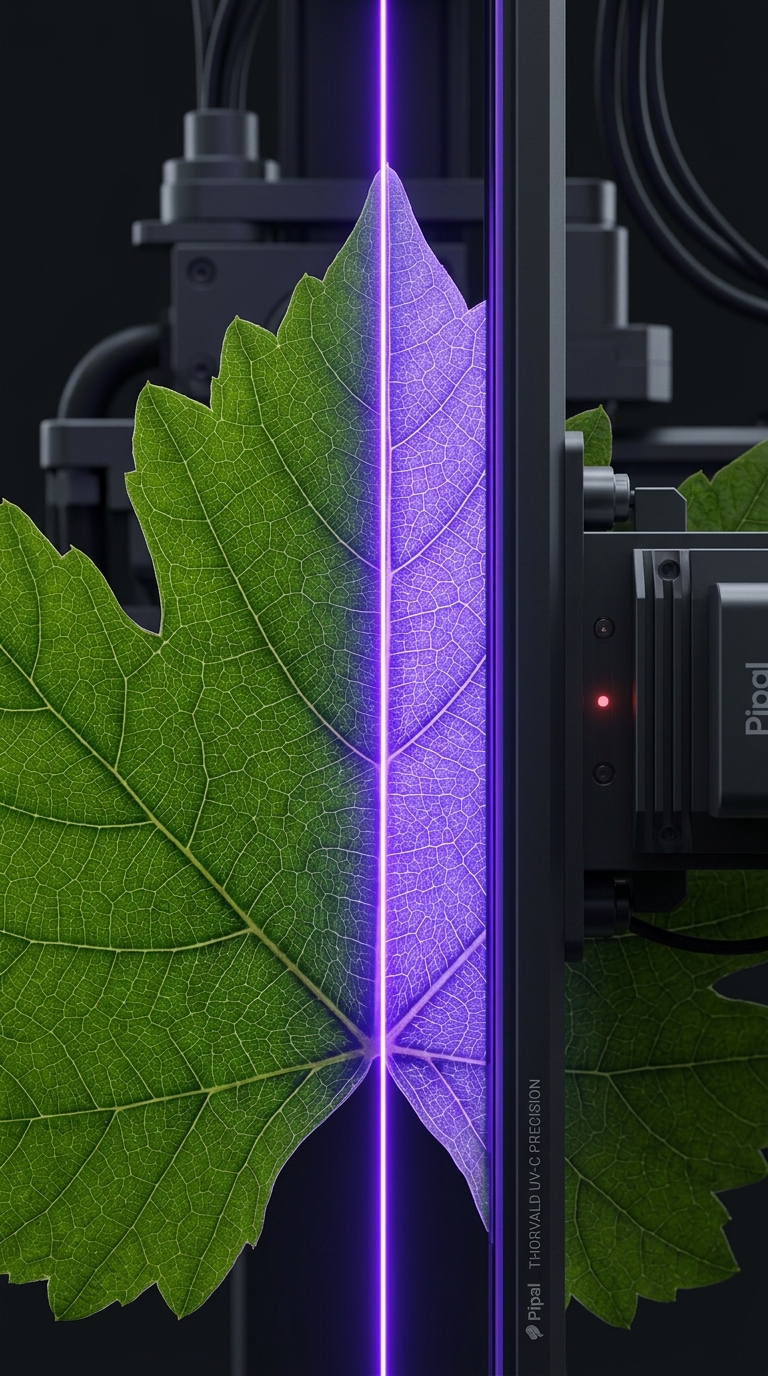
Leaf imaged by the vision system
STEP 01 — DETECT

See what's growing on the leaf.

On-board cameras and vision ML classify each leaf section for mildew and Botrytis pressure as the robot moves down the row. Inference runs at the edge — no connectivity required in the field.

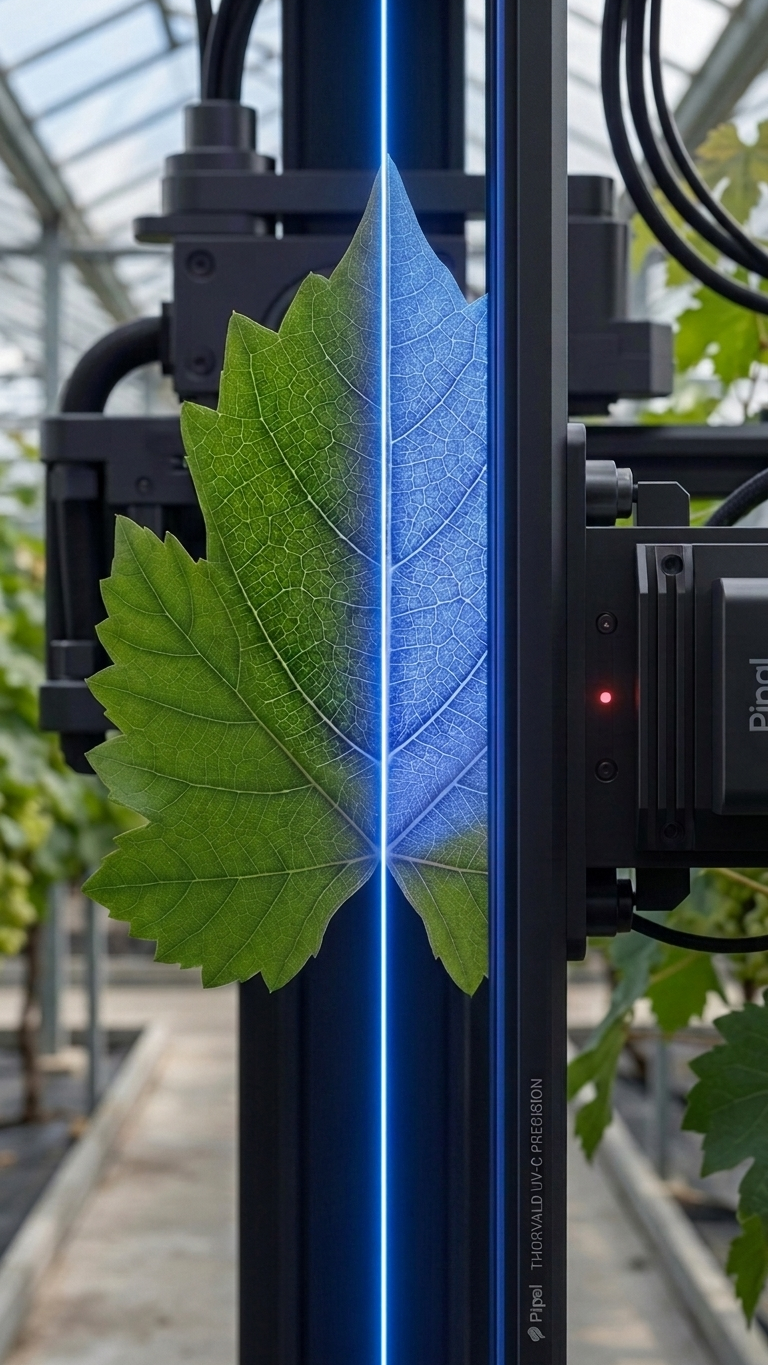
Leaf under the UV-C emitter beam
STEP 02 — TREAT

Dose only what needs dosing.

The emitter array delivers a measured germicidal pulse to the affected canopy section. No residue on the fruit, no re-entry interval the next morning, and no selection pressure for resistant strains — DNA damage is non-selective.

Verification scan confirming UV-C coverage on grapes
STEP 03 — VERIFY

Confirm the dose landed.

Every pass is logged: rows treated, dose delivered, disease index before and after, coverage gaps, battery hours. Growers get a readable record of what happened overnight rather than a black box.

06 · WHERE IT RUNS

On, in, and around the farm.

The same chassis handles hillside vineyard rows, raised berry beds, greenhouse aisles and orchard alleys. Crop geometry changes; the platform doesn't.

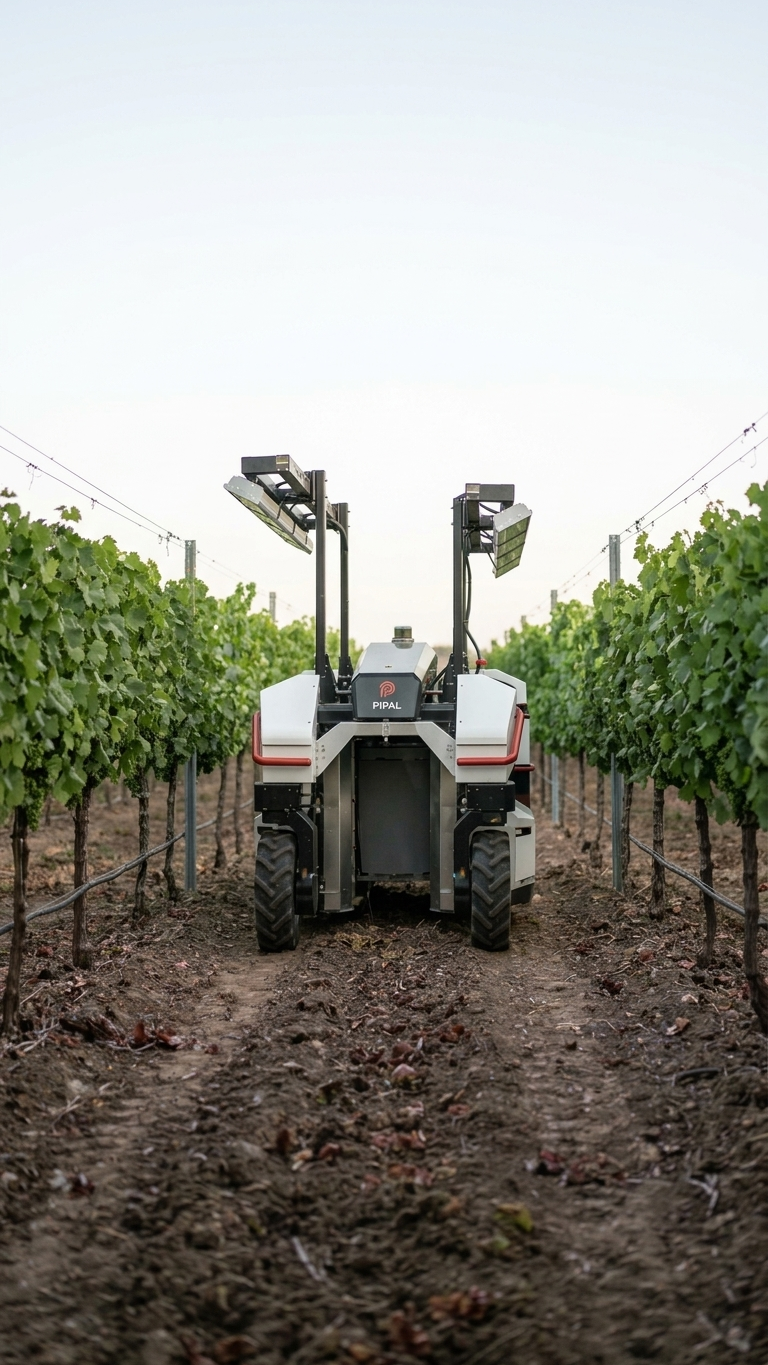
Pipal robot in a trellised vineyard row in daylight
VINEYARDS

Hillside and narrow-row blocks

Powdery mildew is the recurring pressure and the spray window is narrow. Self-levelling suspension keeps the module bay level on slope blocks other platforms skip.

Pipal robot in a strawberry field
BERRY FARMS

Raised beds and tunnels

Botrytis drives repeat applications through the season. The bed configuration of the treatment module addresses fruit-zone canopy directly.

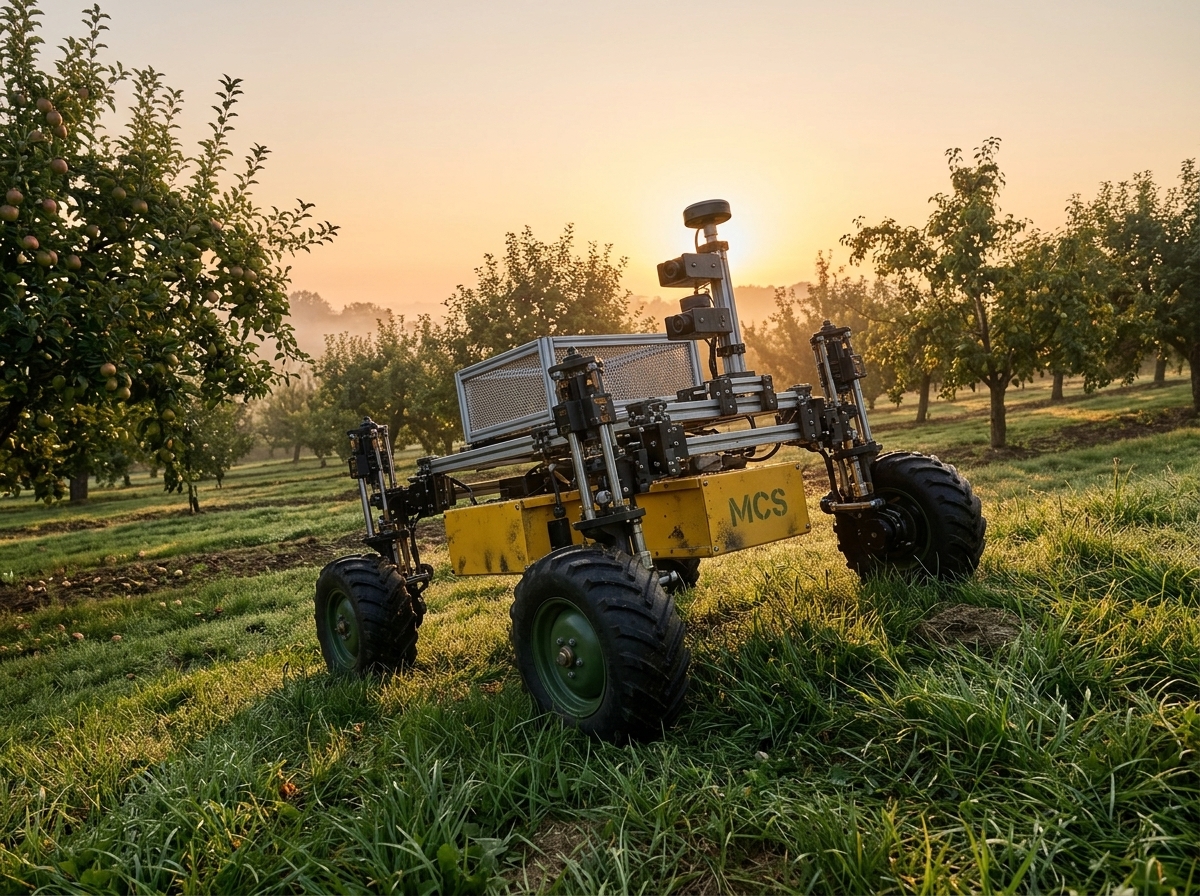
Pipal chassis on a grass alley in an apple orchard
ORCHARDS & OPEN FIELD

Real soil, real weather

Prototype testing runs on grass alleys and wet open ground, because that is where the platform has to work — not on a finished surface.

Niagara Peninsula Finger Lakes Québec Nova Scotia BC & Pacific Northwest Ontario Berry Belt Norfolk · Simcoe · Leamington
GET IN TOUCH

Talk to us about
a pilot or a module.

Whether you grow, build, or want to put a task module on the platform — tell us what you're working on and we'll come back with something useful rather than a brochure.

Office16 Sims Cres, Richmond Hill, ON L4B 2P1